Sugi is the Japanese name for Japanese Cedar, Cryptomeria japonica. It is Japan’s most planted and most used timber, the wood of its temples, shrines and houses for more than a thousand years, and the species behind yakisugi, the charred cladding that has become familiar on New Zealand facades. It is also our name, because it is the timber we built the company around.
The tree and the forests
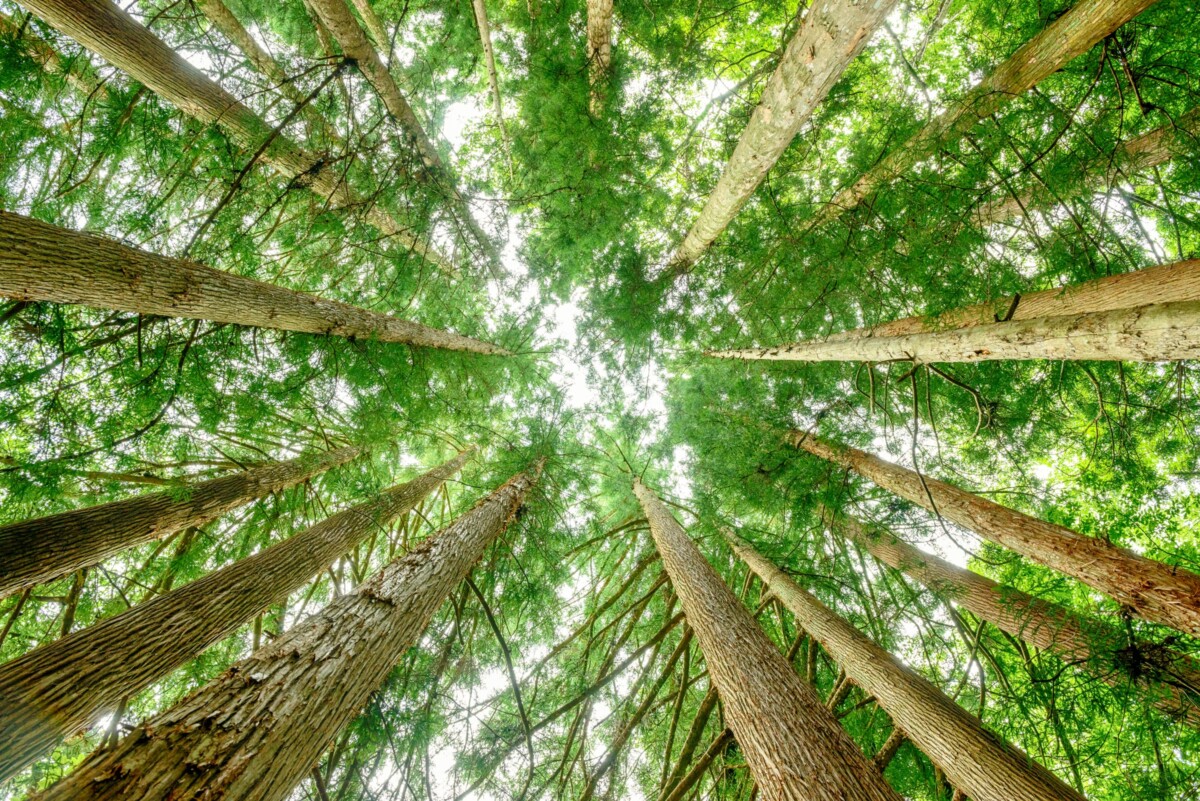
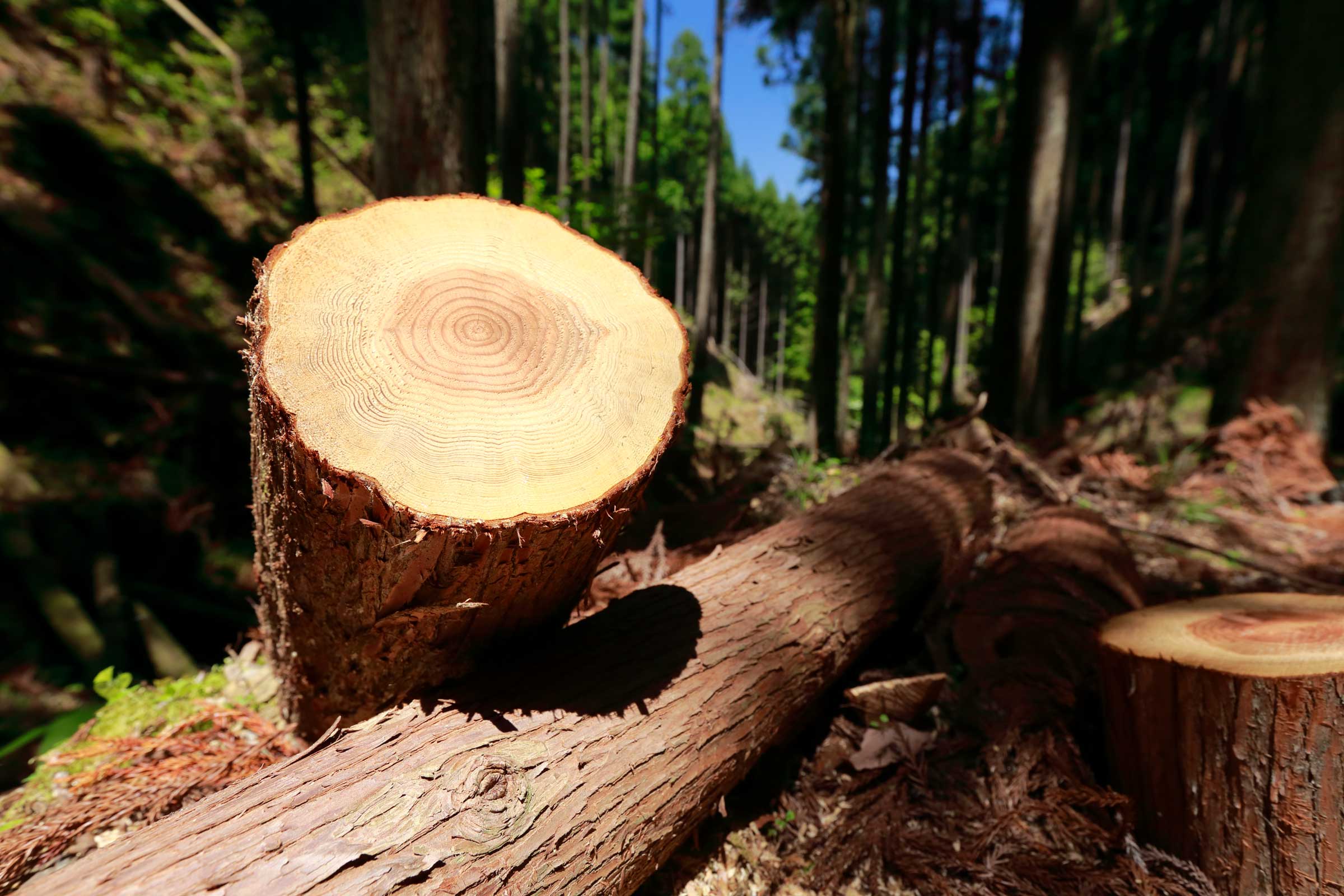
Japanese Cedar is a tall, straight-growing conifer native to Japan. Despite the name it is not a true cedar; it is closer to the redwoods, which shows in the colour and the straight grain. Most of the sugi we import comes from managed plantation forests in Japan that have been replanted and harvested across generations, and much of it from the colder north, where slower growth gives a tighter grain and denser heartwood.
Japan has a surplus of plantation sugi, which is part of why supply is stable when Western Red Cedar is not. Our mill network is GOHO certified, which verifies the legal origin of every shipment. We import direct and process the timber at our mill in Tauranga for distribution throughout New Zealand.
What the timber is like
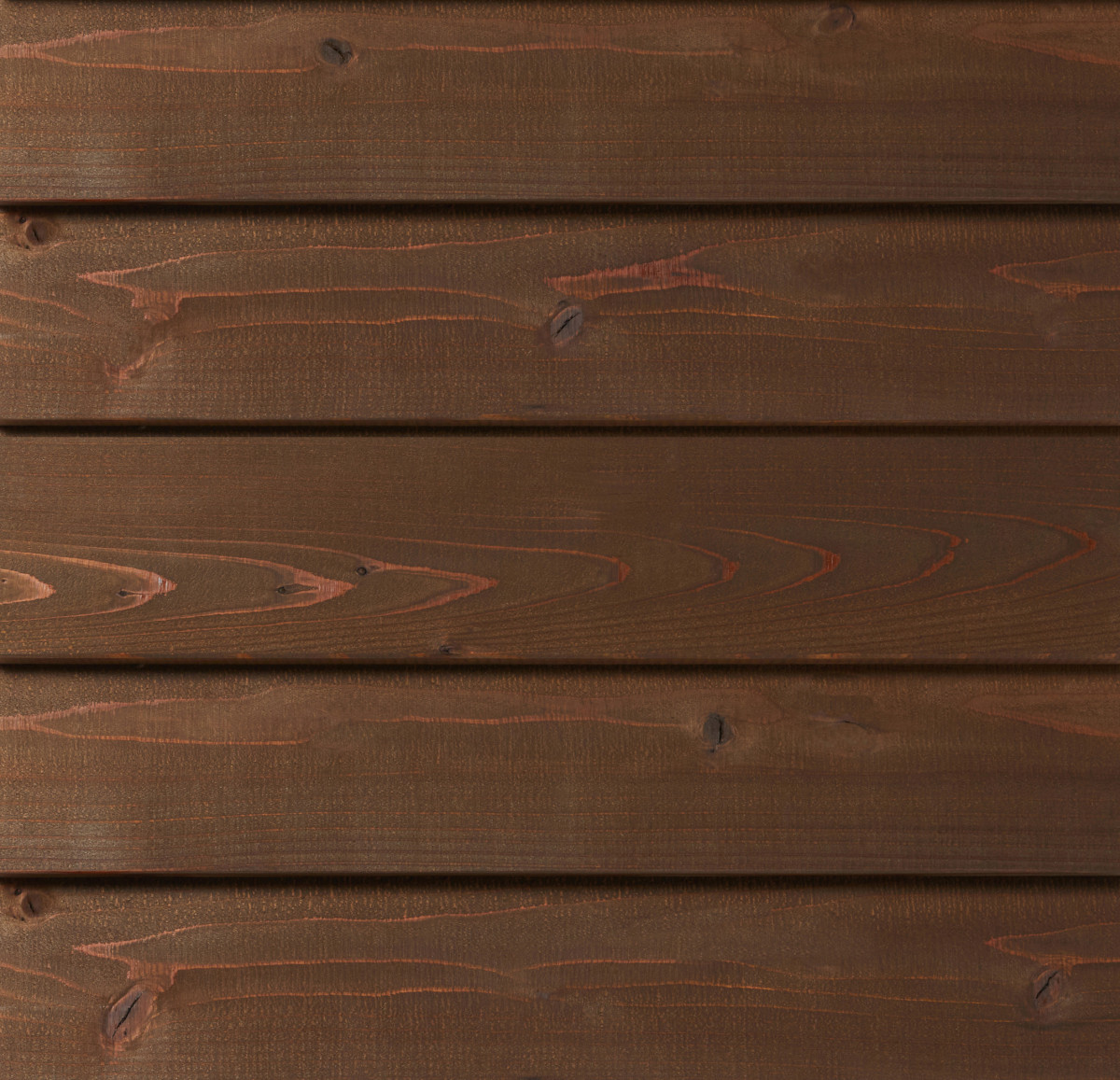
Freshly milled sugi is warm: pink, honey and reddish-brown heartwood, often within one board, with a pale sapwood band. The grain runs from straight and fine to bold, depending on the cut and the tree. No two boards match exactly, and that variation is the look architects specify it for.
It is a light timber, around 320–384 kg/m³ at 12% moisture content, which is close to Western Red Cedar. It is soft, machines cleanly, and takes a sawn or bandsawn face unusually well, which is why it profiles so readily and why the charred finishes work on it. There is a pronounced contrast between its soft earlywood and harder latewood; brushing a charred board takes the char off the soft grain and leaves it in the hard, and that is where yakisugi’s texture comes from.
Durability
Imported Japanese Cedar heartwood was tested by Scion at its Whakarewarewa site and rated natural durability class 2, the same classification as imported Western Red Cedar tested alongside it. Scion’s conclusion was that imported sugi heartwood weatherboards should easily meet the 15-year minimum durability the Building Code asks of cladding. No chemical treatment is required. Sugi weatherboard is covered by BEAL appraisal C2549.
Our cladding is kiln dried to 12–16% moisture content before dispatch, which is already New Zealand’s exterior equilibrium, so it goes on the wall close to the moisture content it will live at.
Where it is used
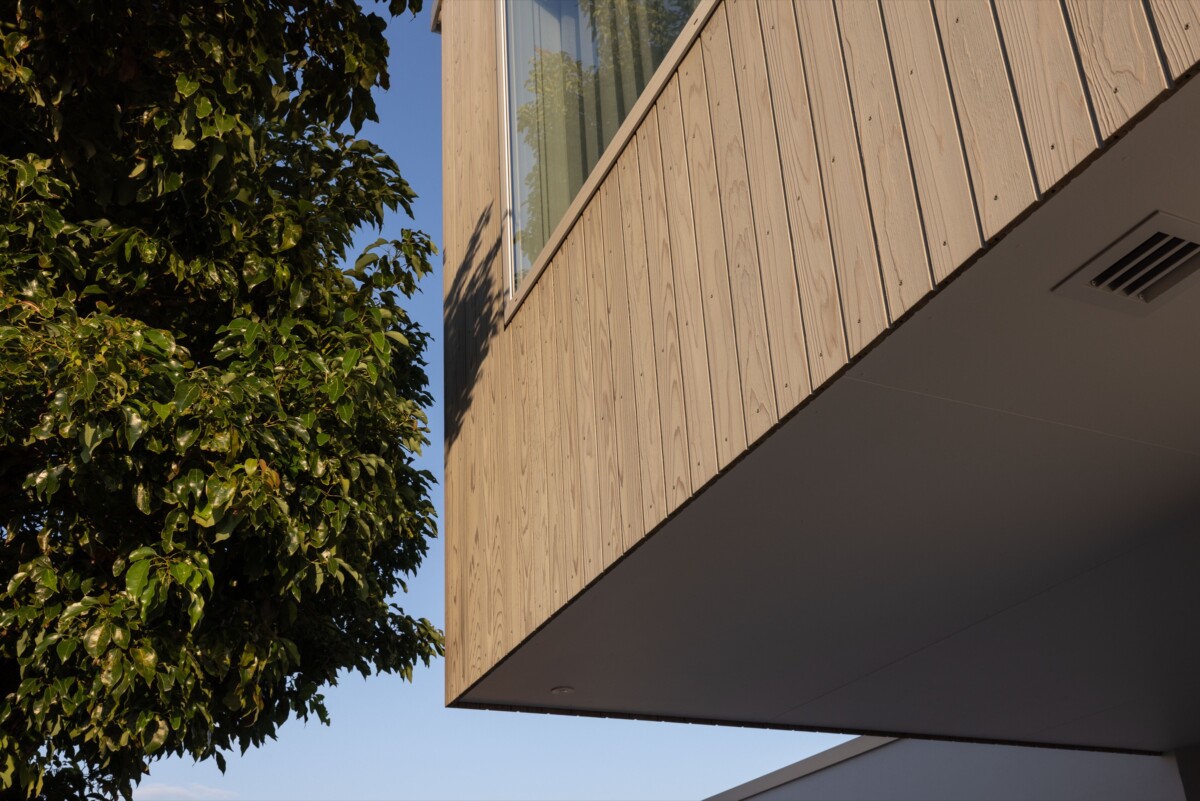
In New Zealand we supply sugi as exterior weatherboards (vertical shiplap, bevelback and horizontal shiplap), interior wall and ceiling linings, screens and battens, and for architectural joinery and features. Finishes run from a dressed or bandsawn surface, through the Dryden exterior oil colours, to the three yakisugi charred finishes. See the finishes.
Why we work with it
We have worked with a lot of species over thirty years. Sugi keeps its place because it does several things at once: it is durable enough for a New Zealand wall without treatment, light and easy to work, warm to look at, stable in supply, and plantation grown. We have spent years with the suppliers, in the forests and the sawmills, and the thing that stays with you is how long a view Japanese forestry takes. The trees being cut now were planted for this by people who would never see them milled.
Visit the showroom at Residium, Parnell · Order samples · Download the specification documents