Sugi natural cedar products are now supplied in two grades: Clear and Traditional. Both are the same timber, imported Japanese Cedar heartwood milled in Tauranga, and both carry the same durability, the same profiles and the same finishes. The difference is what the grader lets through.
Clear
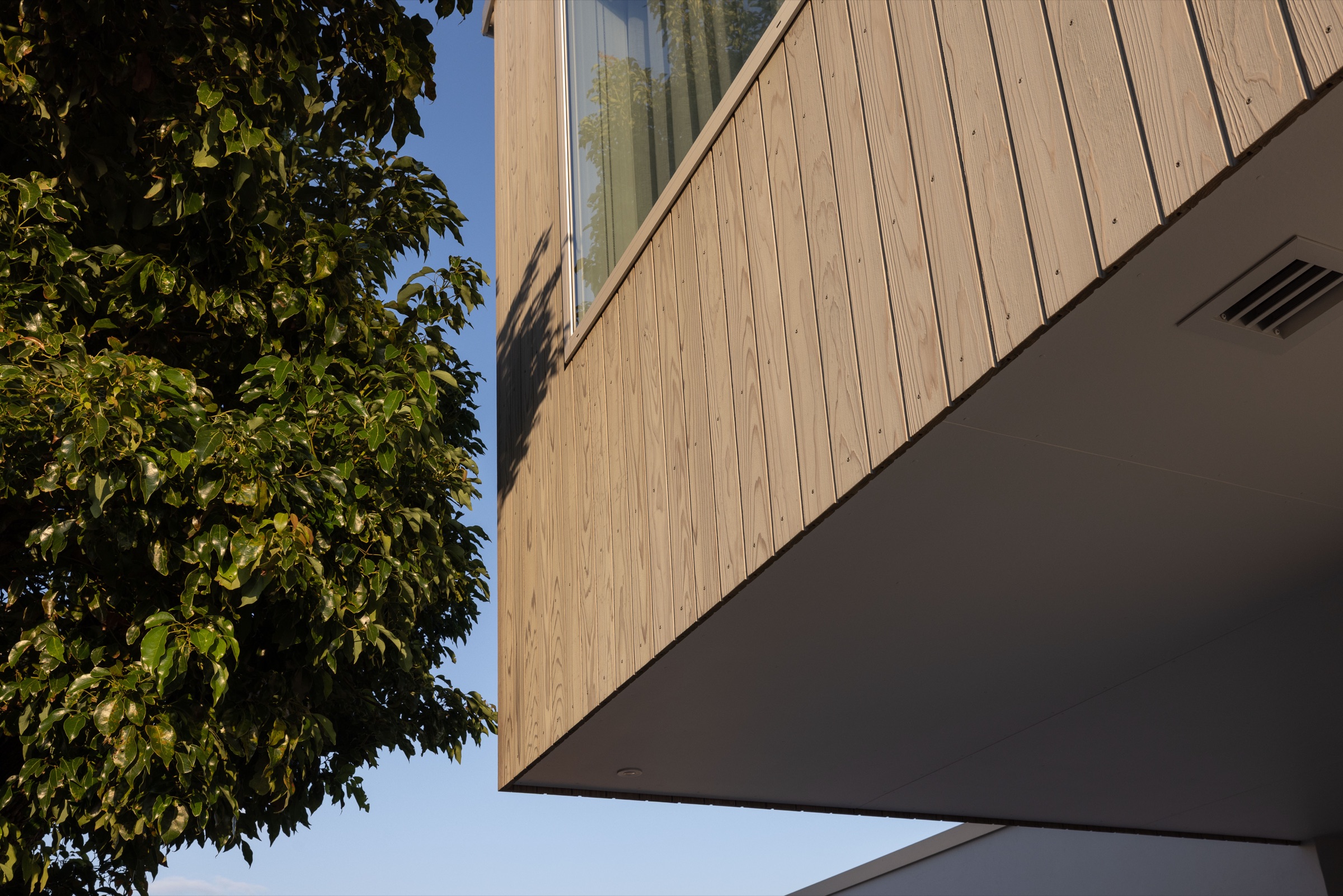
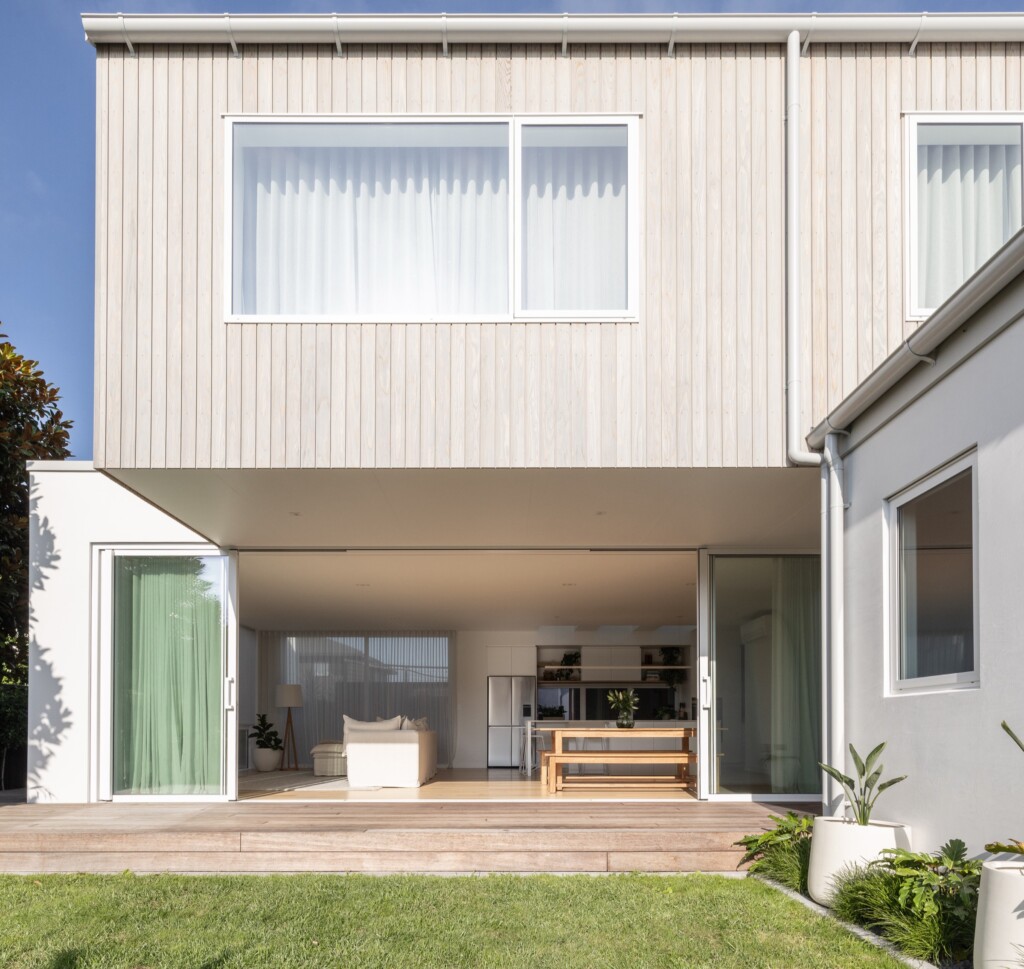
Clear is the select grade. Boards are chosen for straight grain and an even face, with knots and other natural features kept to a minimum. It is the grade for facades where the wall should read as a single calm surface, for large uncut runs, and for finishes where any feature would show through, such as the lighter Dryden oil colours or a Wabi Sabi charred finish where the brushed grain is the point.
Clear is the smaller share of any log, which is why it costs more. A tree produces a limited quantity of clear timber from its outer heartwood; everything closer to the centre carries the knots from the branches the tree grew in its early years.
Traditional
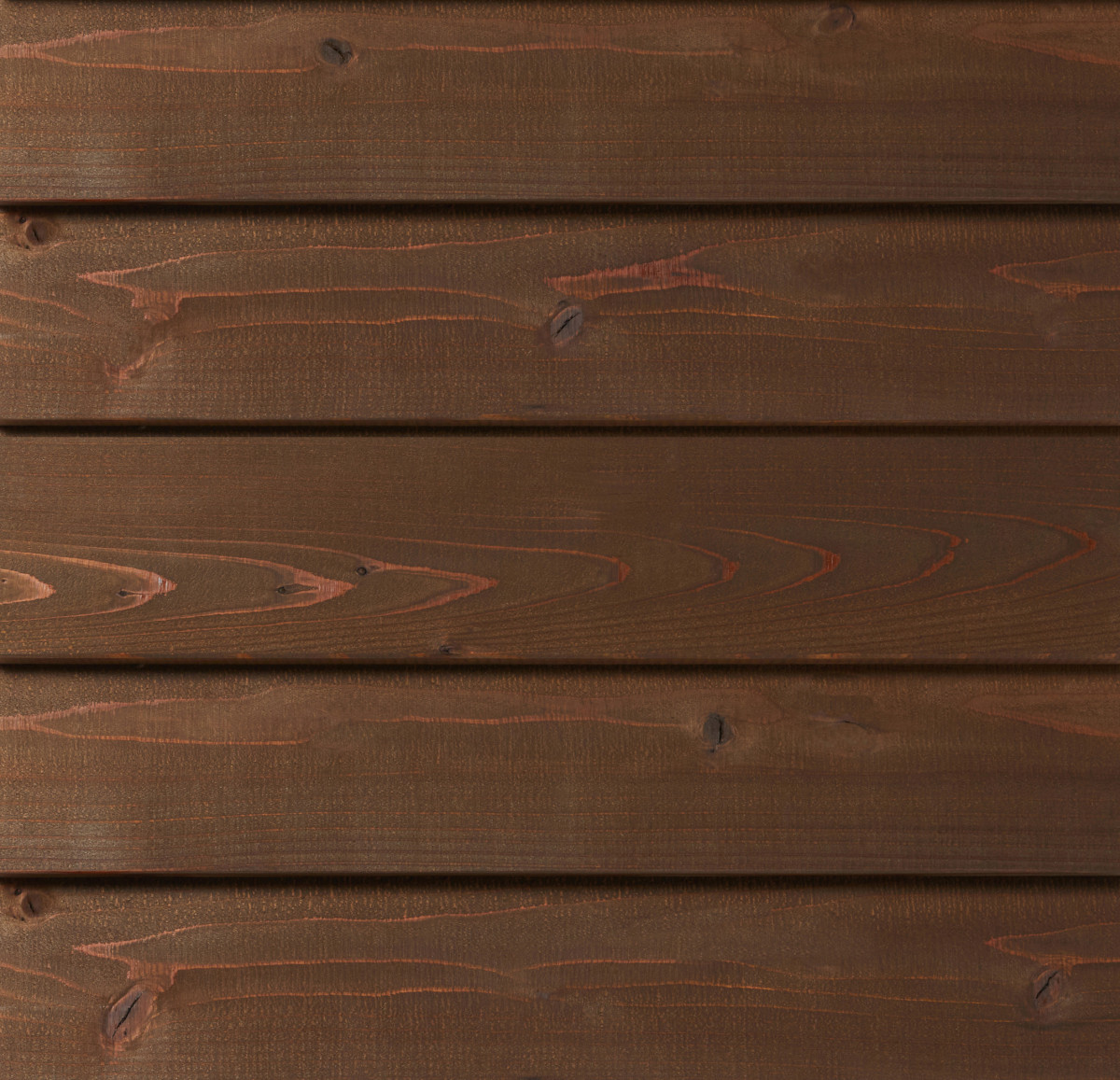
Traditional is Japanese Cedar as it has always been used in Japan. The grade takes in sound knots, colour variation between the pink and the reddish-brown heartwood, and the natural figure of the tree. What it leaves out is anything that affects performance, such as loose knots, splits or decay.
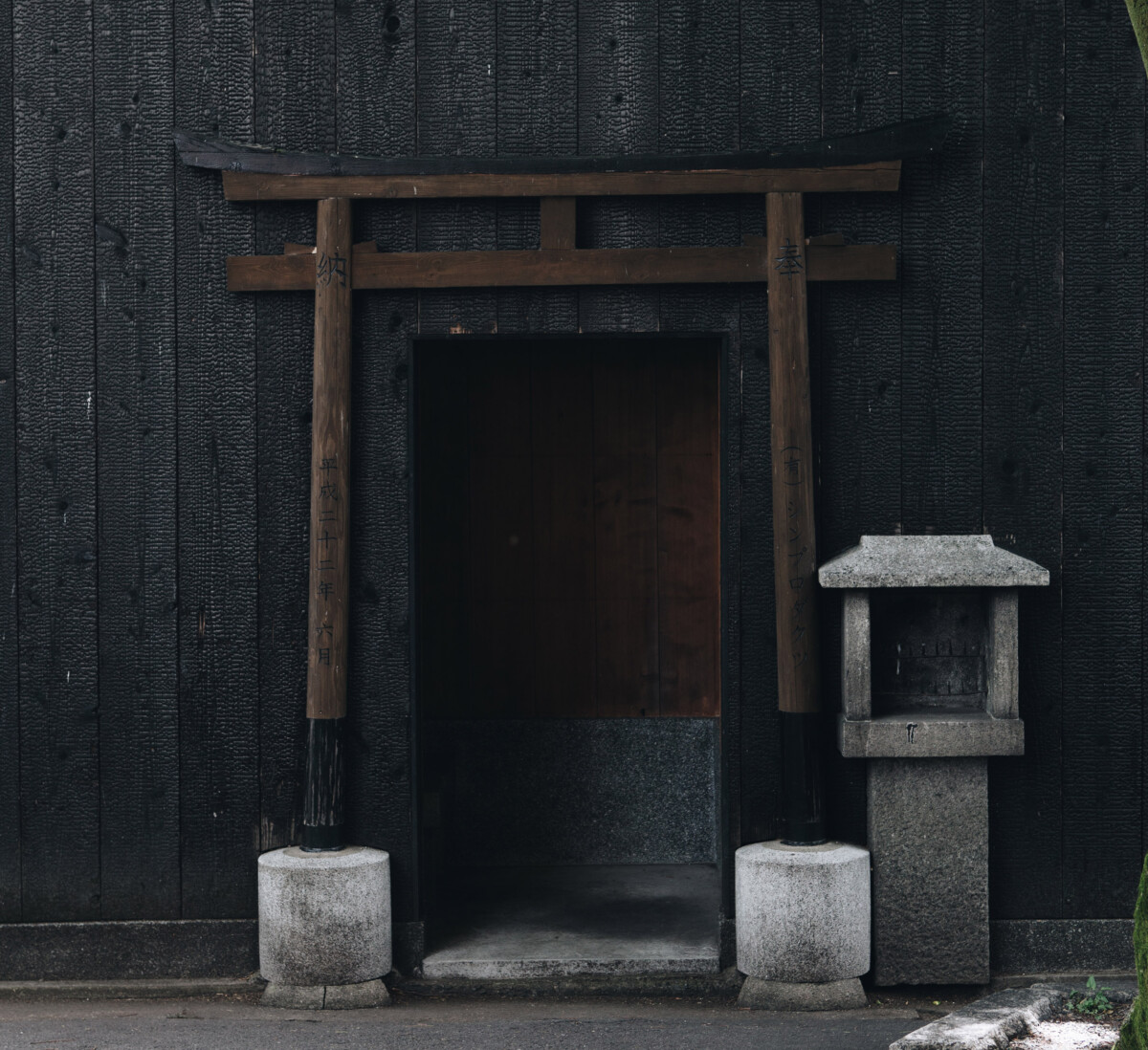
The name is deliberate. In Japanese building, a sugi board with knots was never a second-rate board; it was most of the timber, and the houses, farmhouses and temple outbuildings of Japan are lined and clad with it. Clear selects were kept for the places that warranted them. Traditional returns to that way of using the tree: all of the usable heartwood goes into the product, not only the premium cut.
For a facade, that reads as a wall with more life in it, with the natural features and colour shifts giving the surface a rhythm a Clear wall doesn’t have. It suits bandsawn surfaces, the darker oil colours, and the Dento and Makkuro charred finishes, where the char evens the board out and the knots sit under it as texture.
Why two grades
Three reasons.
The whole tree gets used. Grading only for Clear means the larger part of each log goes elsewhere. Offering Traditional means the plantation timber we import is used to its full extent, which is what sustainable forestry is supposed to mean in practice.
Price. Traditional is priced below Clear because it is the larger share of the log and the grader passes more of it. For a project where the budget decides between cedar and something else, Traditional is the grade that keeps it cedar.
Choice. Some buildings want the calm of a Clear wall. Others want the timber to look like timber. Both are available in every profile and finish, and the two can be used on the same building: Clear on the street elevation, Traditional where the budget goes further.
What doesn’t change between grades
Species and origin: imported Japanese Cedar heartwood from managed plantation forest, GOHO certified. Durability: Scion natural durability class 2, the same classification as imported Western Red Cedar on the same test site; no chemical treatment. Moisture content: kiln dried to 12–16% at dispatch. Profiles: vertical shiplap, bevelback and horizontal shiplap, all under BEAL appraisal C2549 (see choosing a weatherboard profile). Finishes: dressed or bandsawn, Dryden exterior oils, or the Dento, Makkuro and Wabi Sabi yakisugi finishes, all shown on the Grades & Finishes page.
Specifying a grade
Write the grade with the profile: “Sugi vertical shiplap ST55, Traditional grade, Dryden Driftwood.” If you are unsure which grade a project wants, order samples of each in the finish you have in mind; the difference is clearer on a board than on a screen.