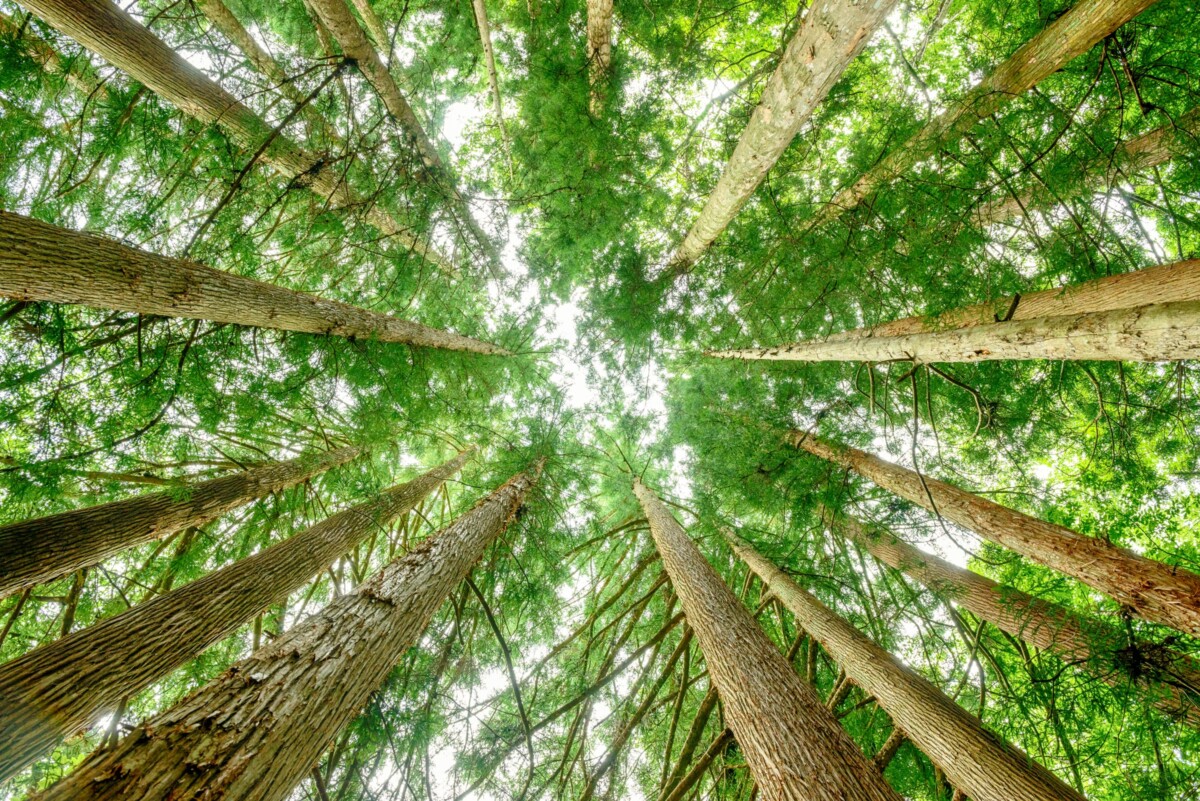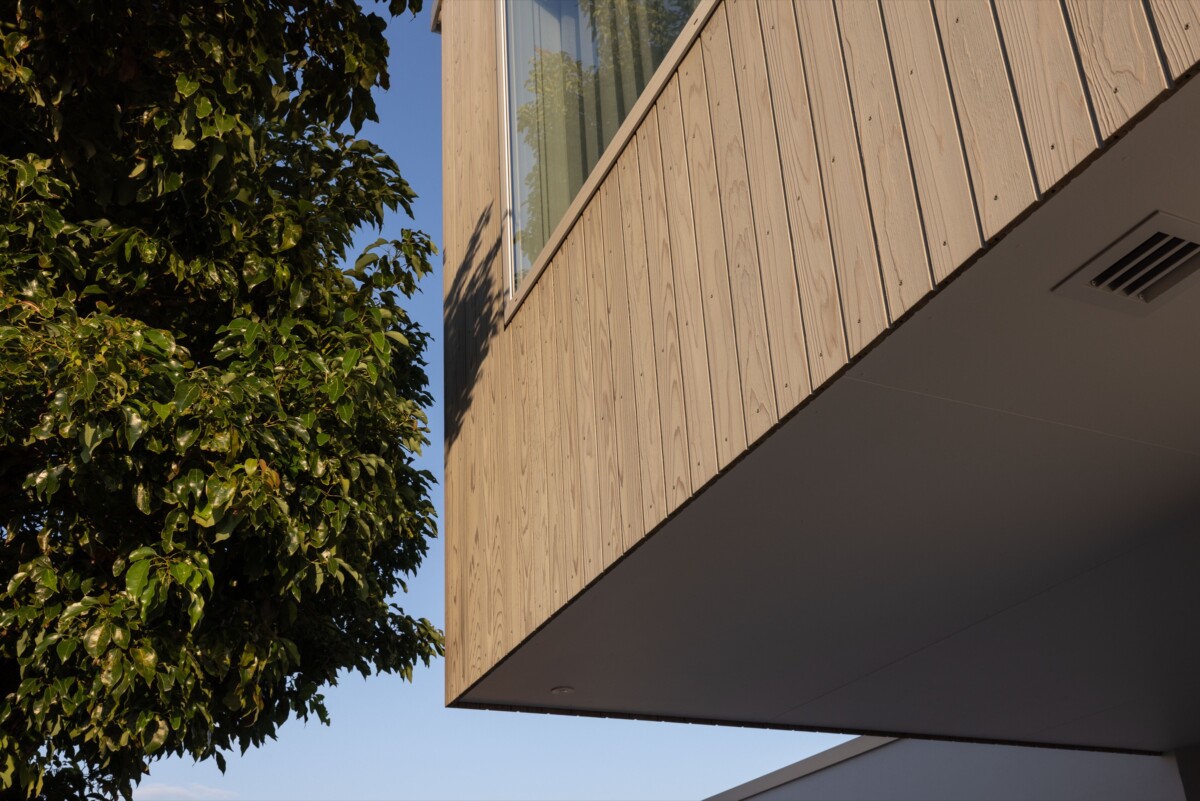
Charred timber cladding is the black, textured finish that has spread across New Zealand facades in the past decade. In Japan it is yakisugi, and the timber it has always been made from is sugi, Japanese Cedar. Sugi makes it the traditional way, on the traditional timber, to order at its Tauranga mill.
What charring does
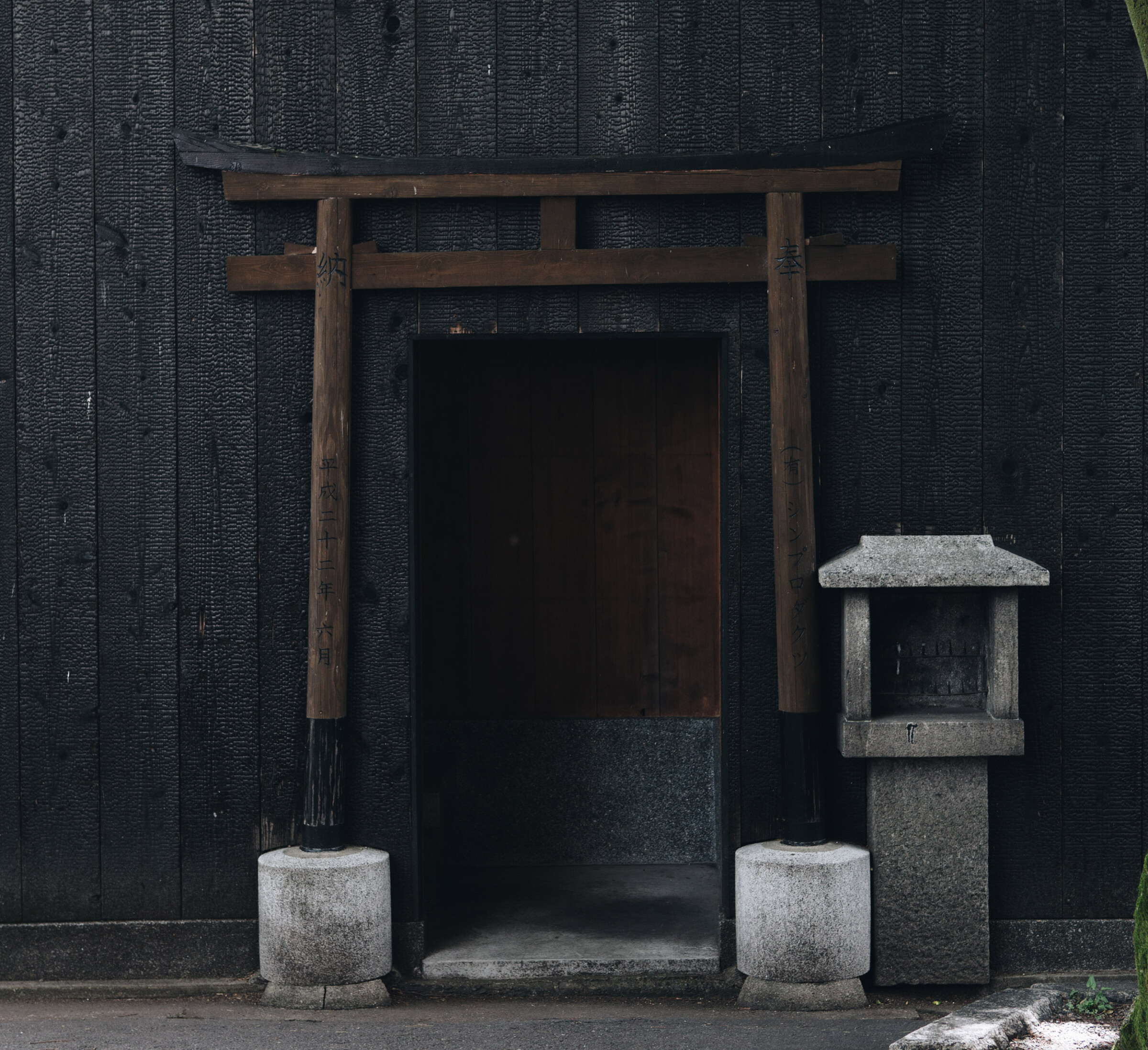
Yakisugi is a centuries-old finishing technique and one of the earliest ways of thermally modifying timber. The face of the board is charred under controlled heat, which converts the surface to a layer of carbon. That layer does three things: it sheds water and UV, it removes the sugars and cellulose that fungi and insects feed on, and it gives the board a surface that weathers slowly rather than greying.
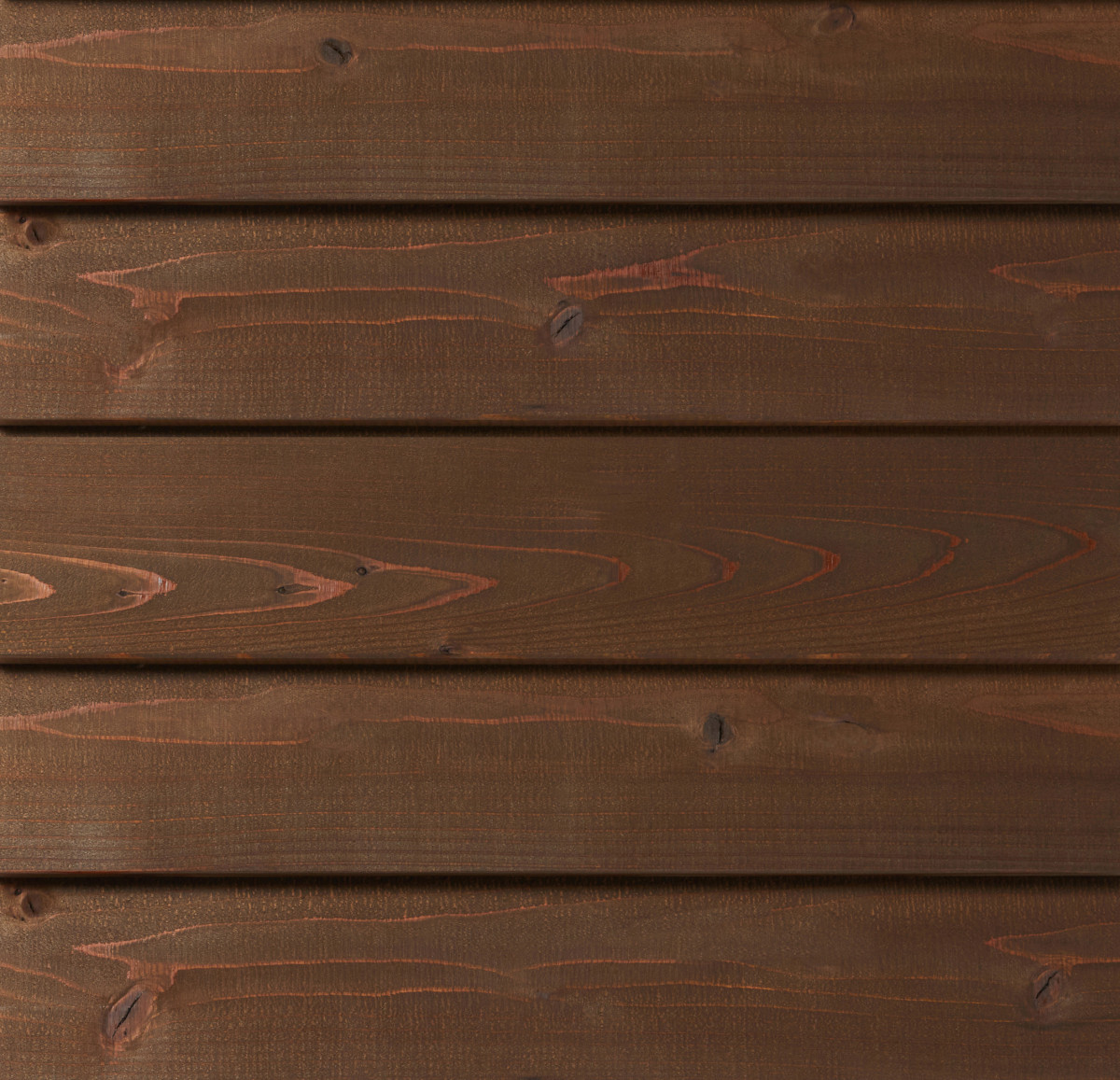
A charred board is then brushed to a chosen depth and sealed with a natural oil. The oil hardens the carbon layer and stops soot transfer, and the degree of brushing decides the look, from solid black to a grain pattern of carbon over coloured timber.
Charring suits Japanese Cedar in particular because the species has a pronounced difference between its soft earlywood and harder latewood. Brushing takes the char off the soft grain and leaves it on the hard grain, which is what gives yakisugi its three-dimensional surface.
The three Sugi finishes
Dento — charred and oiled. The full char layer is left intact and sealed with natural oil. This is the traditional finish: a deep matte black with the alligator-skin texture of the carbon. The thick layer of carbon gives the timber the longest life of the three, with re-oiling recommended every 10 to 20 years. Maintenance is optional; left alone, it weathers evenly.
Makkuro — charred, lightly brushed and oiled. The char is brushed back a little and the board is factory-coated with natural oil to hold the timber’s colour. The result is a smooth, lightly burnt surface that develops a patina with age. Re-oiling every 5 to 10 years keeps the original colour.
Wabi Sabi — charred, heavily brushed and oiled. The board is brushed twice, removing most of the char from the softwood and leaving carbon in the hard grain. The exposed timber takes a natural colour oil, followed by a factory sealing coat. Each board is hand-finished, and the finish is available in seven colours: Clear, Teak, Slate, Platinum, Dune, Driftwood and Moetapu.
See all three on the finishes page.
Durability
Charring is a finish, not a substitute for a durable timber underneath. Sugi charred cladding is made from the same imported Japanese Cedar heartwood that Scion tested at natural durability class 2, the same classification as imported Western Red Cedar on the same test site, and the same timber covered by the BEAL appraisal for Sugi weatherboard. The char layer adds weathering and UV resistance on top of that.
Specifying it
Charred finishes are available on the Sugi weatherboard profiles: vertical shiplap (ST51, ST55, ST56, ST57, ST58), bevelback (ST61) and horizontal shiplap (ST835). Boards are charred and finished at the Tauranga mill, so every board in a run comes from the same process on the same timber.
Yakisugi is made to order. Allow around eight weeks for custom profiling and finishes, and order samples early, because the three finishes read very differently on a wall and the Wabi Sabi colours shift with the light.
Installation is the same as any Sugi weatherboard: over a drained and ventilated cavity to E2/AS1, pre-drilled fixings to the installation guide, and cut ends sealed on site. Charred boards should be handled with care before fixing; the carbon face marks if it is dragged.
Charred cedar, or charred something else
Most charred timber cladding sold in New Zealand is charred locally from whatever species is available. Yakisugi made from Japanese Cedar is the original pairing, and the reason the finish looks the way it does. If the brief says yakisugi, the timber underneath is worth asking about.