Sugi makes three weatherboard profiles in Japanese Cedar, and the choice between them is mostly an architectural one. They share the same timber, the same finishes, the same cavity system and the same BEAL appraisal. Where they differ is the line they draw across a building, how they shed water, and how they are fixed.
At a glance
| Vertical shiplap | Bevelback | Horizontal shiplap | |
|---|---|---|---|
| Codes | ST51, ST55 (140×20), ST56 (146×18), ST57 (156×18), ST58 (120×28) | ST61 (140×20) | ST835 (139×20) |
| Direction | Vertical | Horizontal | Horizontal |
| Join | Interlocking shiplap | Lapped, thick butt edge at the bottom | Shiplap with lowered rebate at the top |
| Negative detail | 3, 6 or 10 mm by profile | Lap shadow | 6 mm |
| Look | Fine vertical lines, flat plane | Traditional NZ weatherboard, stepped shadow | Flat horizontal plane with a crisp shadow line |
| Fixing | Through horizontal battens or nogs | Through the lap into studs | Into studs |
Vertical shiplap
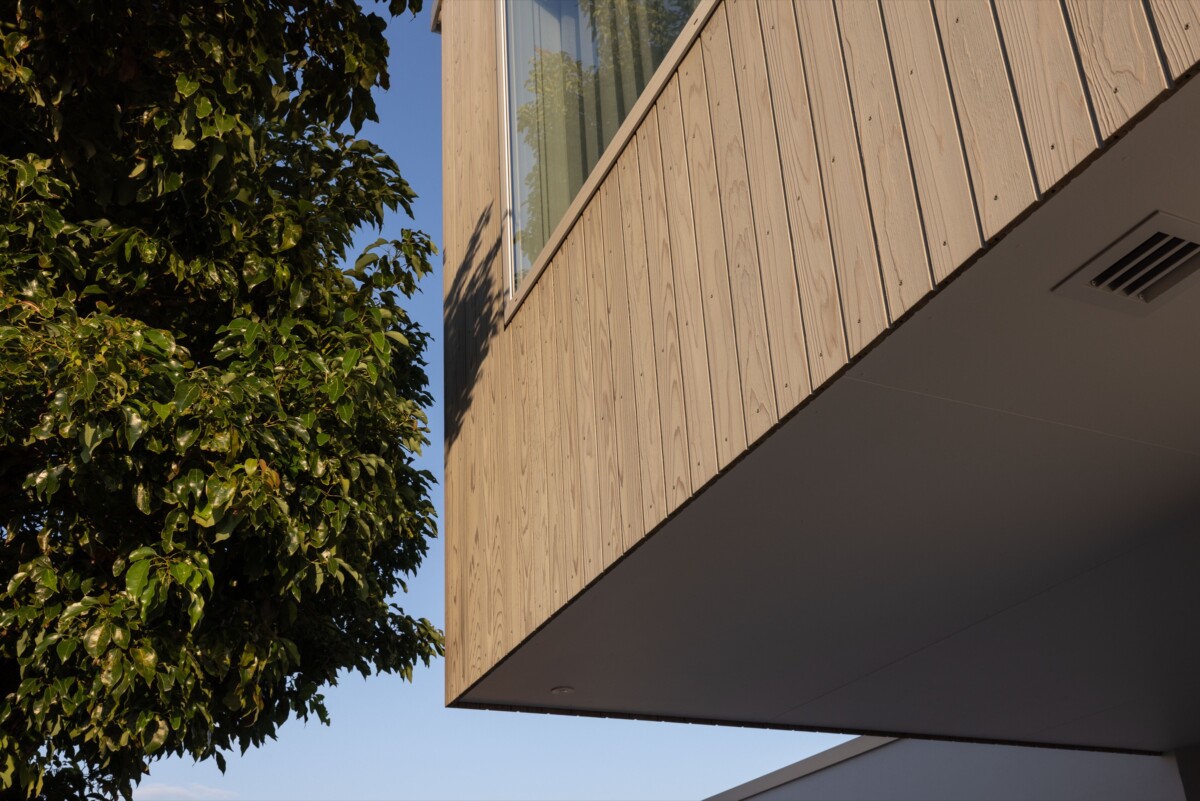
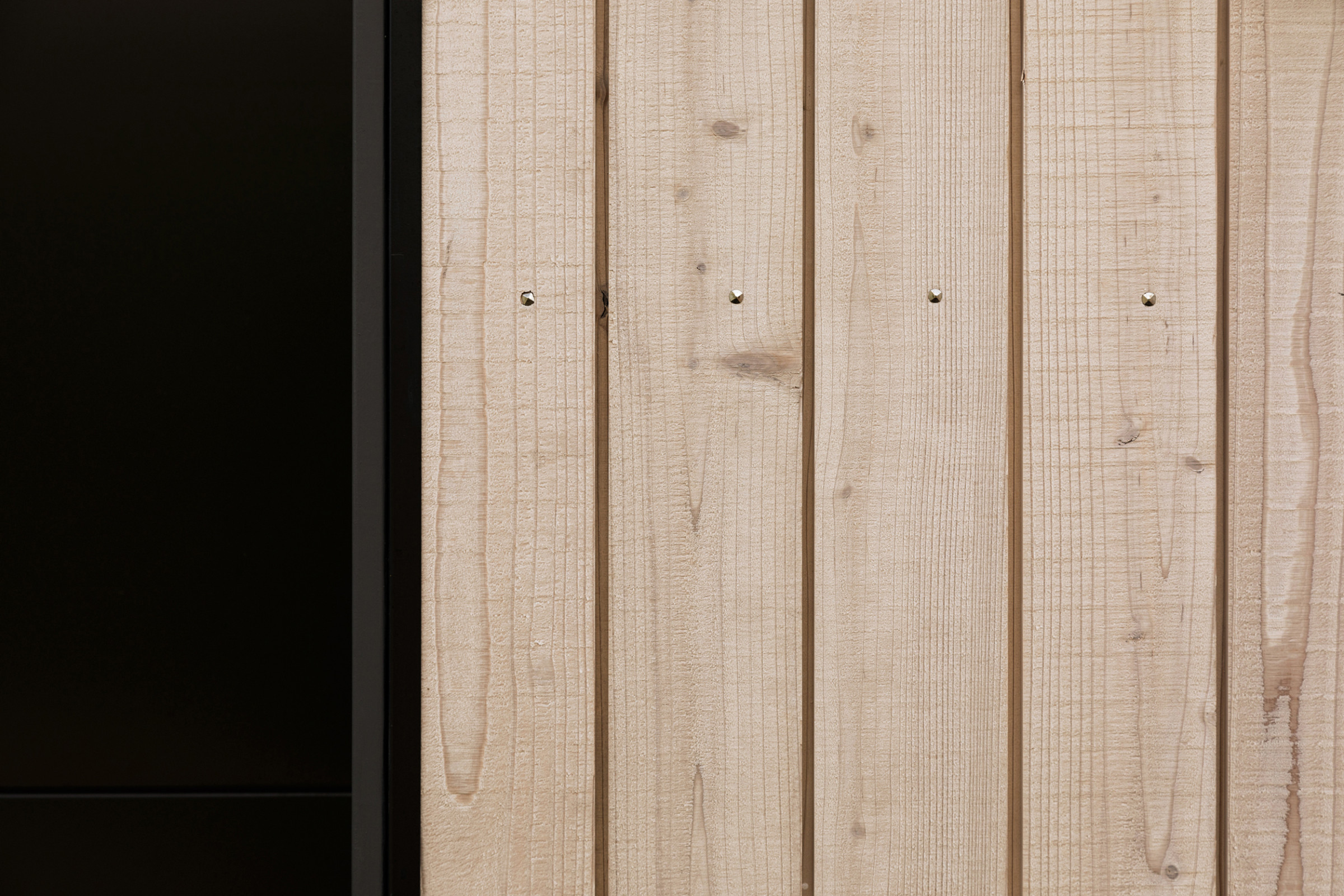
The contemporary choice. Boards run vertically and interlock along their edges, so the wall reads as a flat plane broken by a regular negative detail. Five profiles give a choice of board width and shadow: the 140 mm ST51 and ST55 with a 6 mm negative are the standard; the wider ST56 and ST57 with a 3 mm negative give a finer line; the ST58 at 120 x 28 with a 10 mm negative gives the deepest shadow and the heaviest board.
Water runs straight down the face. Because the boards run vertically, they need horizontal battens or nogs behind them, which the cavity design allows for. Vertical shiplap is the profile most often specified in yakisugi, because the charred texture and the vertical line suit each other.
Bevelback
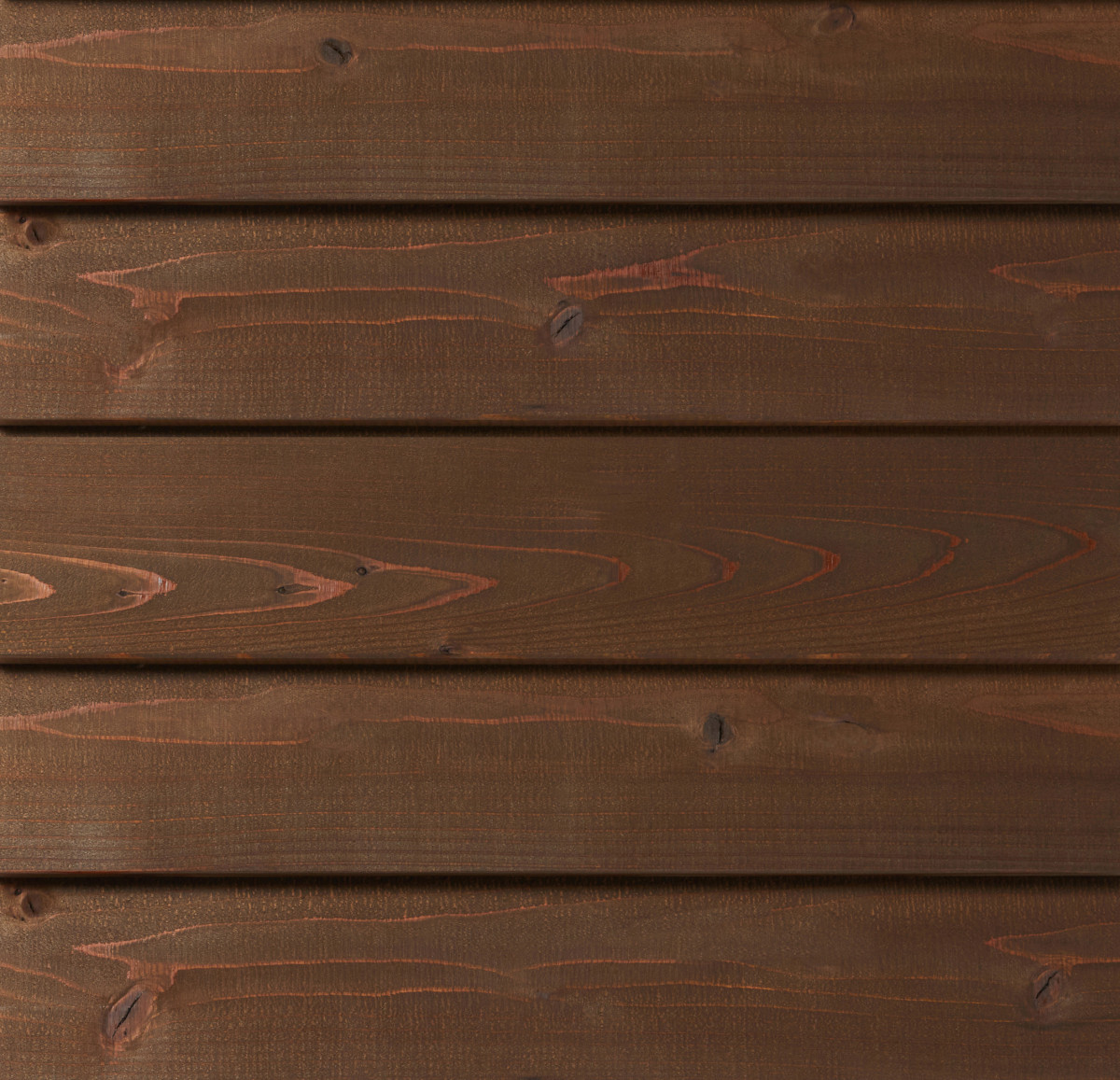
The traditional New Zealand weatherboard, and the one that sits most easily beside existing housing. Each board laps over the one below with the thick butt edge at the bottom, and the bevelled back beds against the cavity battens. The lap throws a stepped shadow that changes through the day.
Bevelback sheds water by the lap, the oldest and simplest detail there is. The board’s profile restrains the edge of the board below it, which is part of how it handles movement. Fixing is through the lap into the studs, pre-drilled and sized to the installation guide. Sugi’s ST61 is 140 x 20 mm.
Horizontal shiplap
Horizontal boards with a lowered shiplap rebate at the top, so water runs down the face without a step. The result is the flat plane of shiplap with a horizontal shadow line, often called a rusticated weatherboard. It reads as more contemporary than bevelback and calmer than a stepped lap, and it suits long low elevations where the horizontal line is the point. Sugi’s ST835 is 139 x 20 mm with a 6 mm negative.
See horizontal shiplap cladding
Choosing
- Contemporary, flat, strong vertical rhythm: vertical shiplap. Pick the negative detail for the shadow you want.
- Traditional character, or next to existing weatherboard housing: bevelback.
- Horizontal line without the stepped lap: horizontal shiplap.
- Charred finish: any profile, but vertical shiplap shows yakisugi best.
- Mixing profiles: common, and the system is built for it. Vertical shiplap on an upper storey over bevelback below is a familiar New Zealand composition; the standardised dimensions let the two meet cleanly.
What doesn’t change
All three profiles are made from the same imported Japanese Cedar heartwood, Scion-tested at natural durability class 2 with no chemical treatment, kiln dried to 12–16% moisture content, and installed over a drained and ventilated cavity to E2/AS1 under BEAL appraisal C2549. Every profile has a DWG and PDF detail, and a specification and installation guide covering cover width, board size and fixing centres. Finishes are the same across the range: dressed or bandsawn surfaces, the Dryden exterior oil colours, or the three yakisugi finishes.